
Visitors will have noticed tree felling activity. We are catching up with work delayed due to wet conditions last winter and plant health issues.
Sadly, much of the ash on the estate is infected by the fungal disease Chalara fraxinea (ash dieback) which causes them to shed limbs and eventually kills them. It also affects the timber, turning one of the best timbers for joinery into one with very limited markets. We have felled diseased ash across the estate. Trials are underway to genetically engineer ash that is resilient to ash dieback, but it is still too early to establish the success. There is also evidence that some trees appear to be naturally more resistant, so not the end for ash but a pause to try and re-establish.
Over mature poplar trees have been felled because they were dangerous. We will not be replanting poplar because there is an opportunity to choose a wider range of specie which will improve the resilience of the woodlands. Our vision is to develop a climate change and disease resilient woodland in the coming years.
Norway spruce has been attacked by the Ips Typographus beetle, which while endemic in mainland Europe, was not known to be present in the UK until 2018. To restrict the spread of Ips the government has established a demarcation area which includes Gravetye Estate. In addition to statutory remove of affected trees in 2023, more spruce has been felled to prevent further spread.
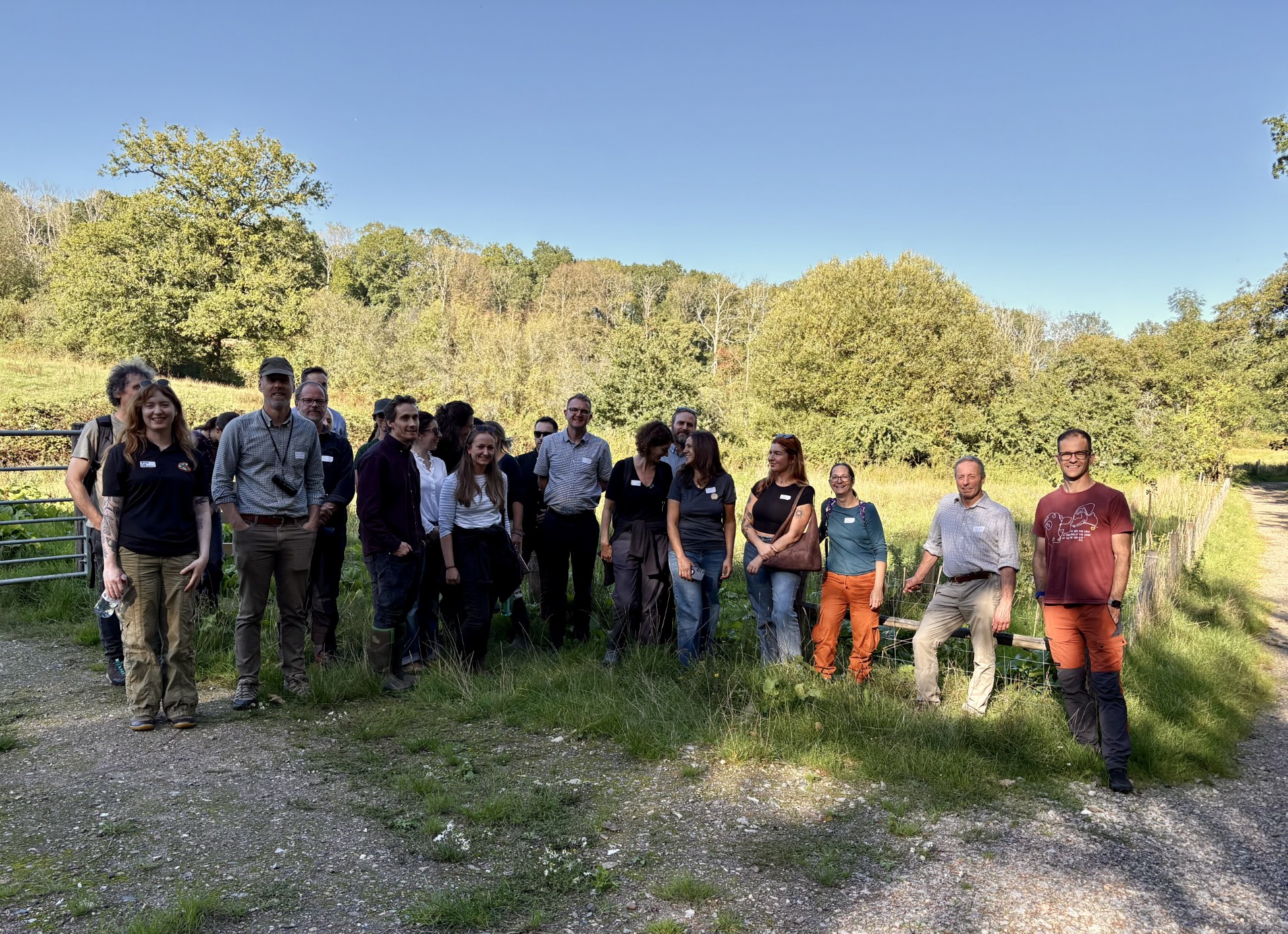
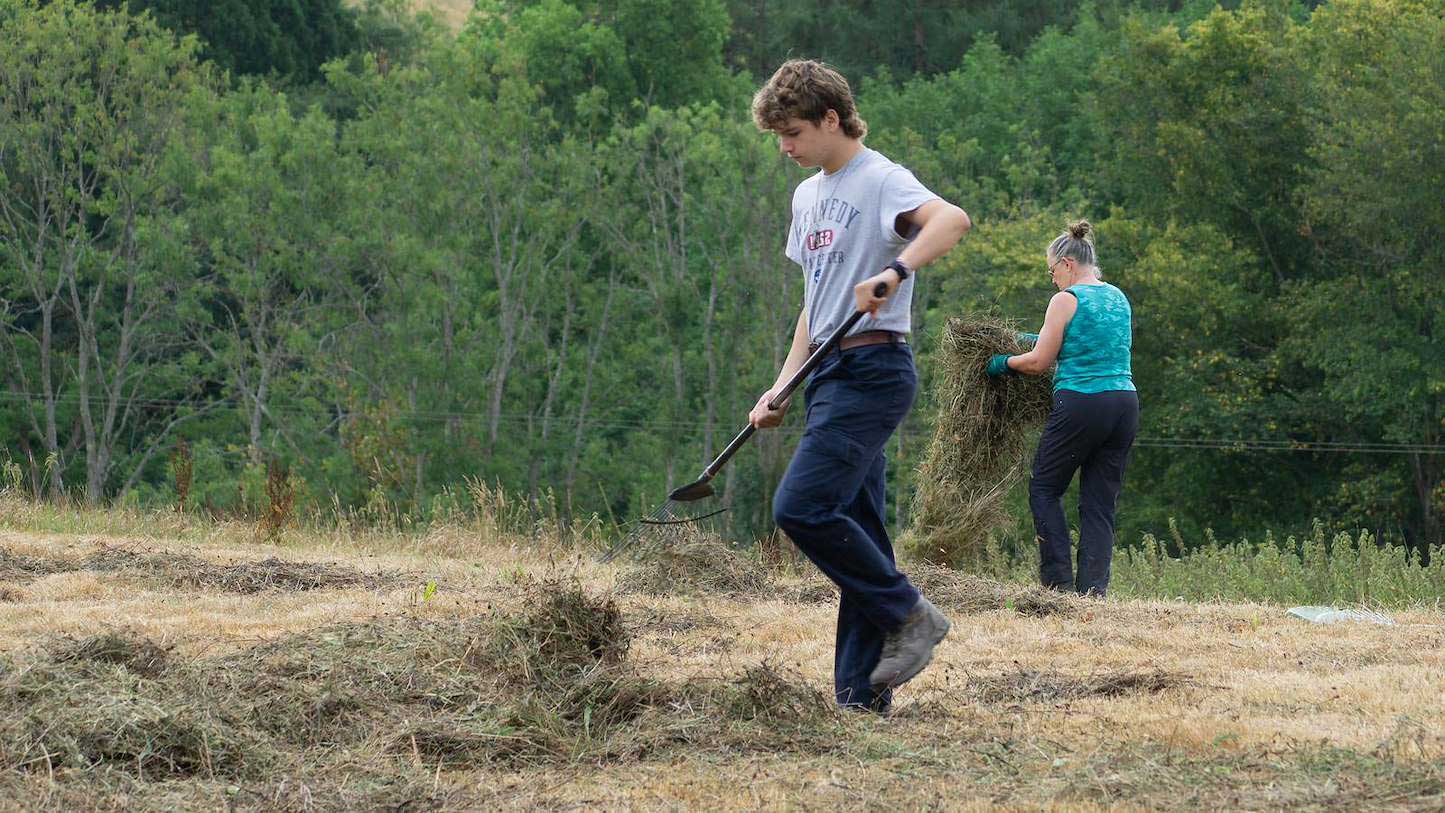
We planted 800 saplings in October with volunteers and Trustees are drawing up replanting plans with the aim of improving the specie diversity, age structure and resilience to climate change of the estate’s woodlands. This programme, with limited felling income, and considerable ground preparation and replanting costs will be financed by reserves set aside in the Charity’s accounts for this purpose. The woodlands are seen by the Trustees as an important asset.